Disclaimer
The information presented here has been prepared to meet prevailing expectations within institutional, curatorial, and public contexts. No rights may be derived from its content, nor any conclusions, interpretations, or intentions
Statements, interpretations, and contextual frameworks are provided without implicit or explicit guarantee of relevance, coherence, or applicability. Any resemblance to existing discourses is coincidental, structural, or inevitable.
The producer accepts no liability for misunderstandings, meaning-making, disappointment, confusion, or progressive insight.
Use of this text implies acceptance of the absence of explanation.
Q&A
What is the central theme of the work?
No center has been established.
What position does the work take within contemporary discourse?
A temporary one, without guarantees.
Is the work autobiographical?
Only insofar as materials possess memory.
What role does the viewer play?
Presence suffices.
Which artists or movements have been influential?
Influence is not a measurable unit.
What should the viewer take away afterward?
Nothing that can be transferred.
What does the work investigate?
The work investigates nothing. It exists.
Is there a continuous development?
Only in retrospect.
How does the work relate to its context?
Context is variably available.
Is the process more important than the result?
This distinction has proven nonfunctional.
What role does intention play?
A limited one.
Can the work be seen independently of the maker?
This happens constantly.
Is there such a thing as progress?
Not demonstrable.
Why these materials?
Because other materials were also possible.
What does the work say about this time?
That has not been established.
Is the work site-specific?
Sometimes.
How does the work relate to tradition?
Not binding.
Is there a correct way of looking?
Not documented.
What happens if the work is not understood?
Then it functions.
Is explanation necessary?
This is questioned.
Bio
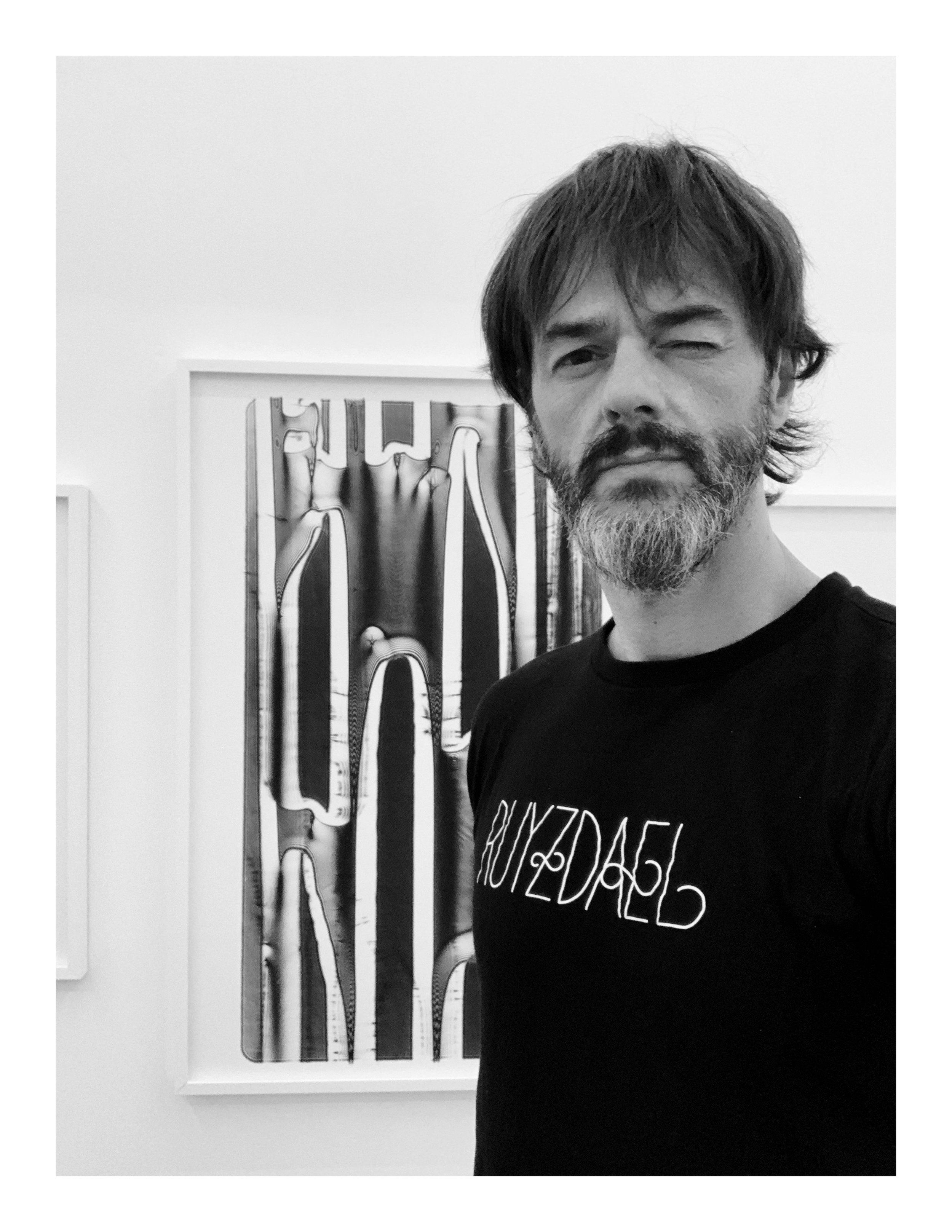
Jurriaan Lowensteyn makes work.
That this work resists summarization is not a shortcoming but a point of departure. Materials do what they do, light appears where it appears, and voids remain empty—even when they urgently ask for meaning.
That he has, over a long period, been able to observe the artistic practice of Ulay from close proximity is true, but it explains nothing and absolves no one from looking.
Explanation is available. The work, too.
Jurriaan Lowensteyn lives and works in the Netherlands.